What shoes to ride in in auto racing?

/
It takes approx. 1 minutes to read this article

Can amateurs start races in flip-flops? Or at least sandals? Definitely not! See what shoes even a novice driver should wear to enjoy safe racing on the track or in a rally!

Here are some rules of thumb for proper footwear.

  1. The shoes should be full – covered legs are by far the most important specification of such riding shoes.
  2. The shoes should be tied permanently or fastened with Velcro – you can’t afford to have a shoelace come untied at a crucial moment.
  3. The sole must be flat and comfortable – you shouldn’t drive a race car in shoes with laces or half-shoes. You must have a good feel for the pedals and their position.
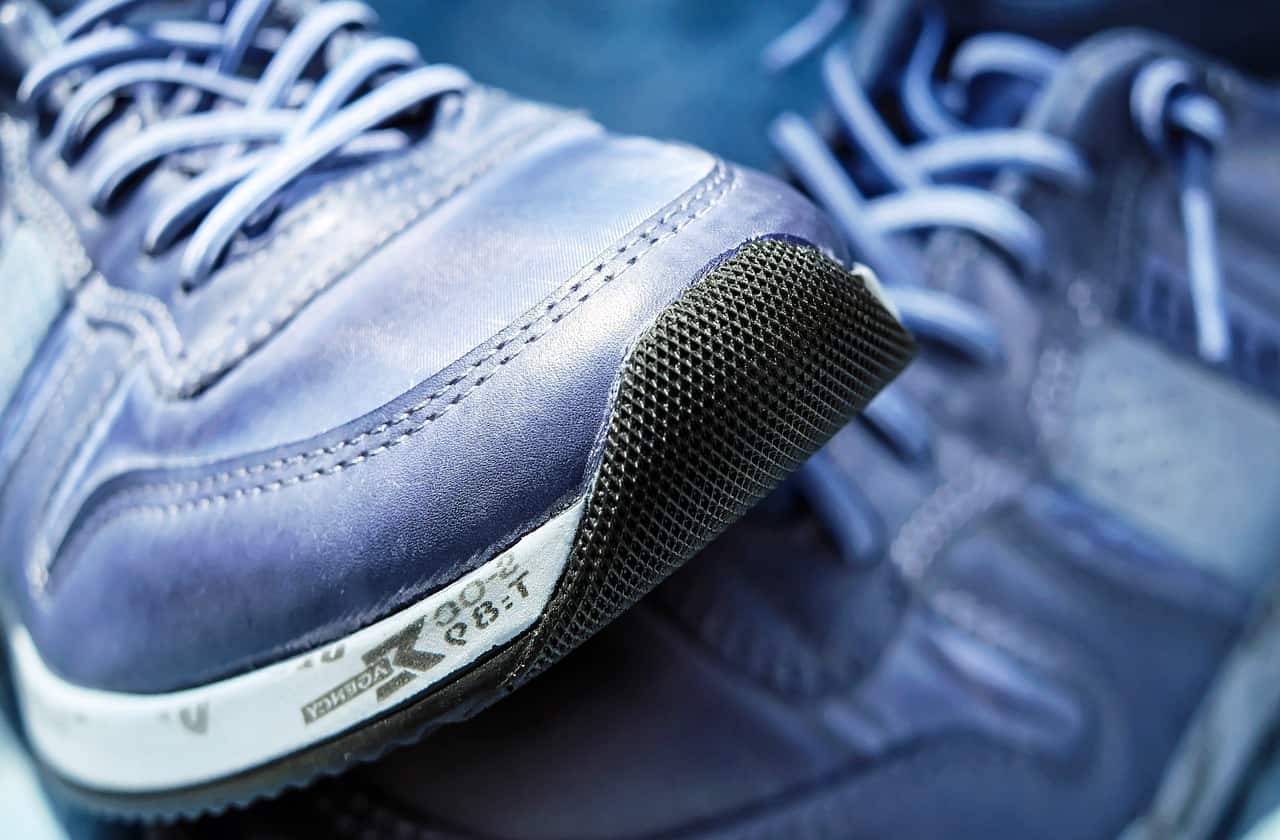
  4. Your feet shouldn’t sweat a lot – if you don’t want to invest in professional race car shoes, for example, bet on running shoes. They provide adequate heat dissipation and are very comfortable.
  5. Do not wear new shoes at the start! – this is an important rule. It’s nice that you bought yourself new shoes, but don’t debut them at the starting line. Break them in beforehand at home or on the street.

Good luck!

Add comment

Your email address will not be published. Required fields are marked *

*

six + seventeen =

Latest articles
Recommended articles
Exploring the Benefits of OEM Exhaust Systems for Your Vehicle
/
Exploring the Benefits of OEM Exhaust Systems for Your Vehicle
Discover how OEM exhaust systems can enhance vehicle performance, improve fuel efficiency, and decrease emissions. Learn why many car enthusiasts prefer authentic replacement parts over aftermarket options.
Leg training for endurance drivers – the best exercises
/
Leg training for endurance drivers – the best exercises
Do you associate the gym with an overly sculpted body and grotesquely large muscles? And yet the best of the rally drivers realize the importance of proper form during races.
Overload during racing – how do you train your head?
/
Overload during racing – how do you train your head?
F1 drivers and pilots have to cope with overloads of several G. How do they manage to do this, which for an ordinary person would be an impossible barrier to cross?